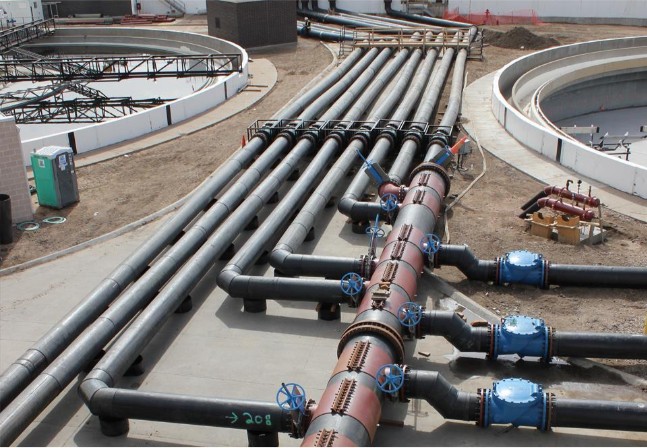
Selecting the right HDPE pipe is one of the most important decisions for any water supply project. Whether you are building a municipal water network, agricultural irrigation system, industrial pipeline, or residential water distribution system, choosing the correct HDPE water pipe directly affects system reliability, installation efficiency, and long-term maintenance costs.
High-Density Polyethylene (HDPE) pipes have become the preferred solution for modern water transportation because of their excellent flexibility, corrosion resistance, long service life, and leak-free performance. However, with different pressure ratings, SDR values, materials, and pipe sizes available, selecting the right product requires careful consideration.
This guide explains everything you need to know before purchasing HDPE water supply pipes.
Compared with traditional steel, ductile iron, or PVC pipes, HDPE pipes provide several significant advantages.
Unlike metal pipes, HDPE pipes will not rust, corrode, or deteriorate when exposed to water, chemicals, or underground environments. This greatly reduces maintenance costs over the lifetime of the pipeline.
Quality PE100 HDPE pipes can provide a service life of more than 50 years under normal operating conditions, making them a cost-effective investment.
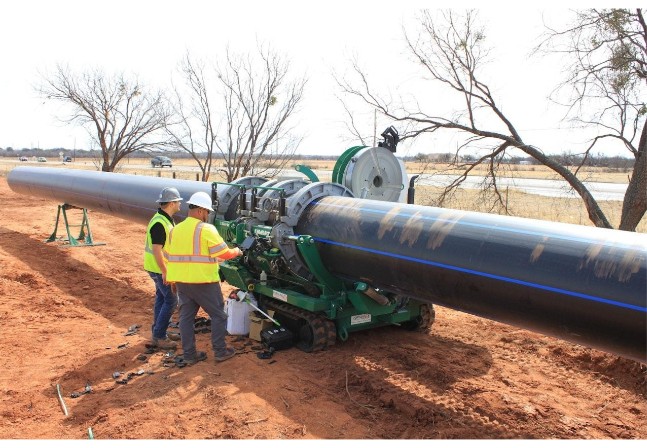
HDPE pipes are commonly connected by butt fusion or electrofusion welding. These methods create joints that are as strong as the pipe itself, significantly reducing leakage compared with gasketed pipe systems.
The flexibility of HDPE allows the pipeline to adapt to uneven ground conditions and absorb movement caused by earthquakes or soil settlement.
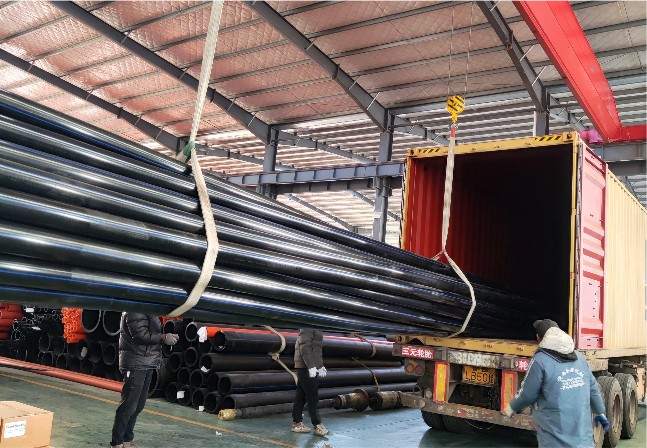
HDPE pipes weigh much less than steel or concrete pipes, reducing transportation and installation costs while improving construction efficiency.
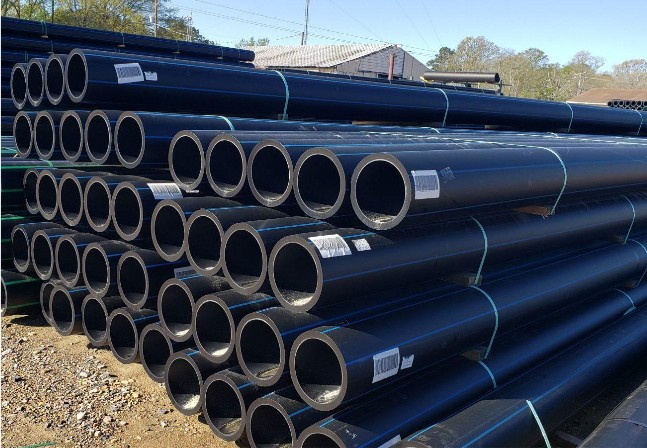
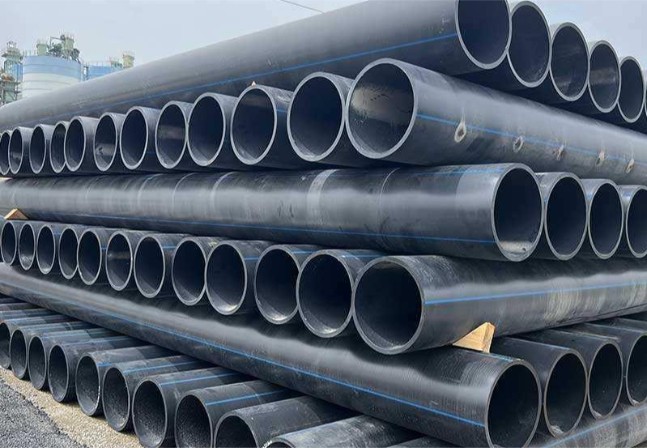
Before selecting an HDPE pipe, clearly define your project requirements.
Consider the following questions:
✔Is the pipeline for drinking water or industrial water?
✔What is the required working pressure?
✔What flow rate is needed?
✔Will the pipe be buried underground or installed above ground?
✔What is the operating temperature?
✔Are chemicals present in the environment?
Answering these questions will help determine the appropriate pipe specification.
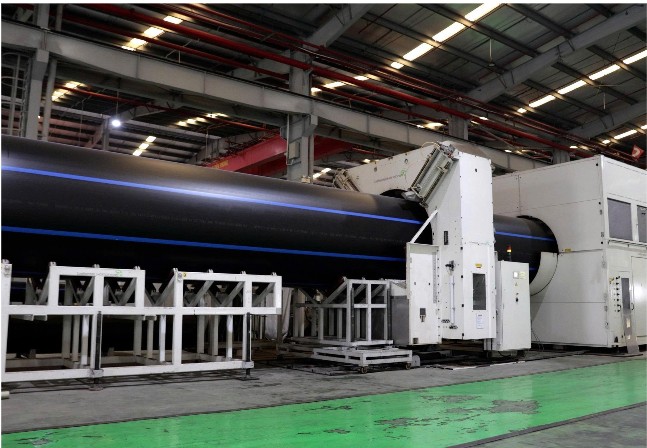
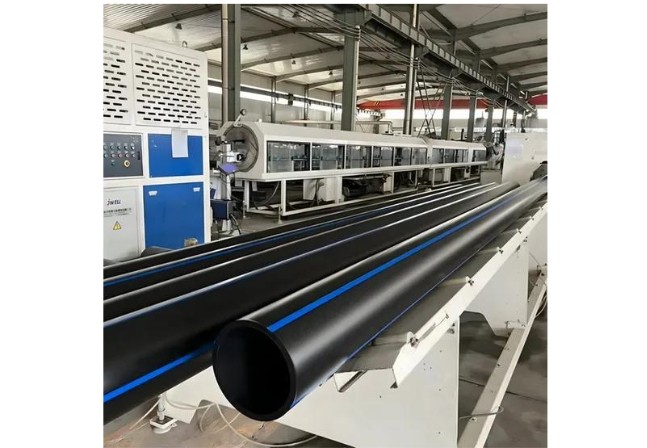
The most common material grades include:
Suitable for medium-pressure water supply systems and smaller projects.
PE100 offers higher strength, improved pressure resistance, and thinner pipe walls compared with PE80 while maintaining the same pressure capacity.
Today, PE100 HDPE pipe is widely used in municipal water supply, industrial applications, mining, and agricultural irrigation.
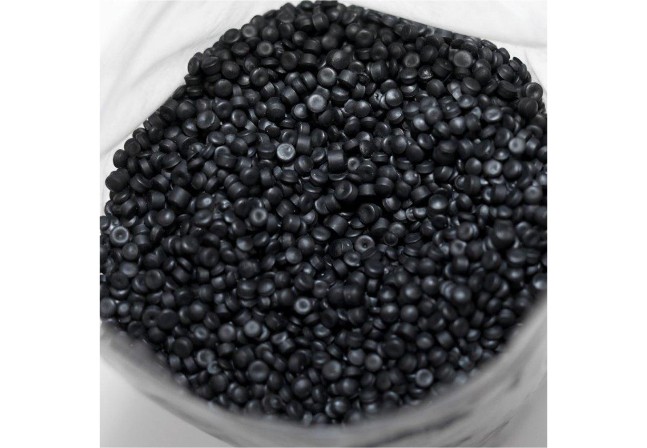
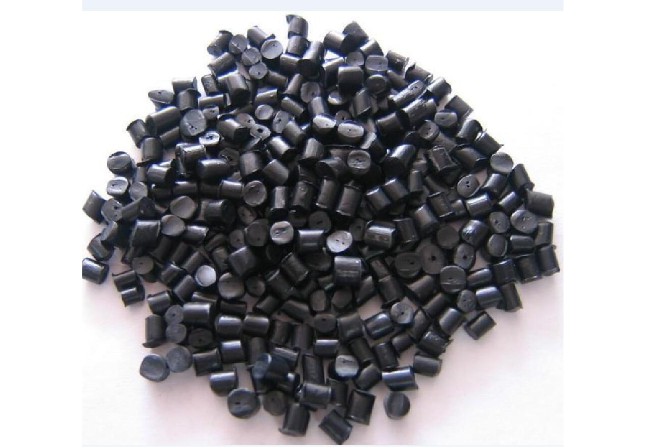
One of the most important selection factors is pressure rating.
Common pressure classes include:
PN6
PN8
PN10
PN12.5
PN16
PN20
PN25
Higher pressure applications require lower SDR values and thicker pipe walls.
For municipal drinking water systems, PN10 and PN16 are among the most commonly selected options.
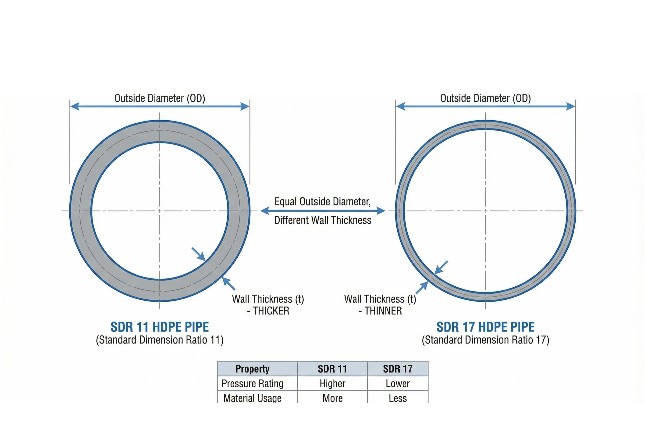
SDR (Standard Dimension Ratio) represents the relationship between pipe diameter and wall thickness.
Common SDR values include:
SDR26
SDR21
SDR17
SDR13.6
SDR11
Lower SDR numbers indicate thicker walls and higher pressure resistance.
Selecting the correct SDR ensures both safety and cost efficiency.
HDPE water pipes are available in a wide range of sizes, including:
20 mm
32 mm
50 mm
63 mm
90 mm
110 mm
160 mm
200 mm
250 mm
315 mm
400 mm
500 mm
630 mm
Larger diameters upon request
Pipe diameter should be determined according to flow requirements, water demand, and system pressure calculations.
For drinking water applications, always choose pipes that comply with international standards.
Typical certifications include:
ISO 4427
EN 12201
ASTM standards
WRAS
NSF
CE certification (where applicable)
Certified products ensure quality, safety, and long-term reliability.
HDPE pipes support several connection methods:
Ideal for medium and large diameter pipelines.
Suitable for repair work and complex installation environments.
Commonly used for small diameter water supply systems.
Selecting the appropriate installation method improves efficiency and minimizes future maintenance.
Not all HDPE pipes are produced to the same quality level.
When selecting an HDPE pipe manufacturer, consider:
Manufacturing experience
Production capacity
Raw material quality
International certifications
Quality inspection process
Export experience
Technical support
Delivery capability
An experienced manufacturer can provide customized solutions for different markets and project requirements.
HDPE water supply pipes are widely used in:
Municipal water supply
Residential water distribution
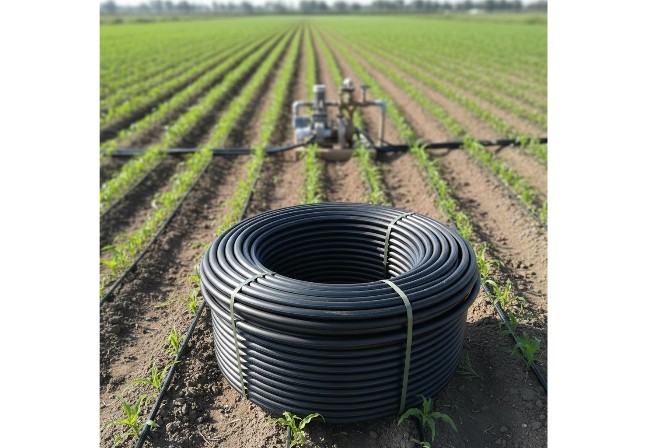
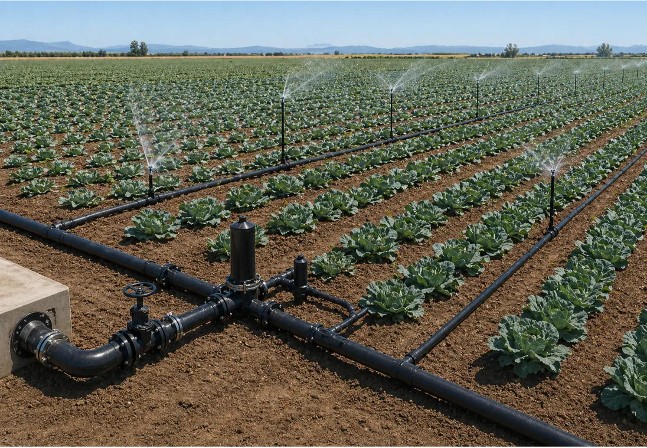
Agricultural irrigation
Industrial water systems
Mining projects
Fire protection systems
Infrastructure construction
Rural water supply projects
Their durability and flexibility make them suitable for a wide range of operating environments.
Properly installed PE100 HDPE pipes typically last more than 50 years.
Yes. Certified HDPE pipes are safe for potable water applications and do not contaminate water quality.
Both materials are widely used. HDPE offers greater flexibility, excellent impact resistance, and fusion-welded leak-free joints, making it particularly suitable for large-scale municipal and industrial projects.
PN10 and PN16 are the most commonly used pressure classes for water supply networks.
Choosing the right HDPE pipe involves more than selecting the correct diameter. Material grade, pressure rating, SDR value, installation method, certifications, and manufacturer experience all play essential roles in ensuring a reliable and cost-effective water supply system.
By selecting high-quality HDPE water pipes manufactured to international standards, project owners can reduce maintenance costs, improve operational reliability, and achieve decades of dependable service.
If you are looking for a professional HDPE pipe manufacturer and supplier, our team offers a complete range of PE100 water supply pipes in multiple sizes and pressure ratings. We provide OEM services, international export support, and customized solutions for municipal, industrial, and agricultural projects worldwide.
Contact us today to receive technical assistance or request a free quotation for your next water supply project.