Selecting the correct HDPE pipe size and pressure rating is one of the most important steps in designing a safe, efficient, and long-lasting pipeline system. Whether you are planning a municipal water supply network, agricultural irrigation project, mining operation, or industrial pipeline, choosing the wrong pipe specification can lead to higher installation costs, reduced performance, or premature failure.
HDPE (High-Density Polyethylene) pipes are widely recognized for their flexibility, corrosion resistance, leak-free welded joints, and service life exceeding 50 years. However, to maximize these advantages, engineers and buyers must understand how pipe diameter, SDR value, and pressure class work together.
This guide explains everything you need to know about HDPE pipe sizes and pressure ratings, helping you select the right pipe for your next project.
HDPE pipe is manufactured from high-density polyethylene resin, commonly PE80 or PE100. Thanks to its excellent durability and chemical resistance, it is widely used for:
✔Municipal water supply
✔Drinking water transmission
✔Agricultural irrigation
✔Industrial fluid transportation
✔Mining slurry pipelines
✔Fire protection systems
✔Marine pipelines
✔Gas distribution
PE100 material has become the industry standard for modern water supply projects because it provides higher strength and improved pressure performance.

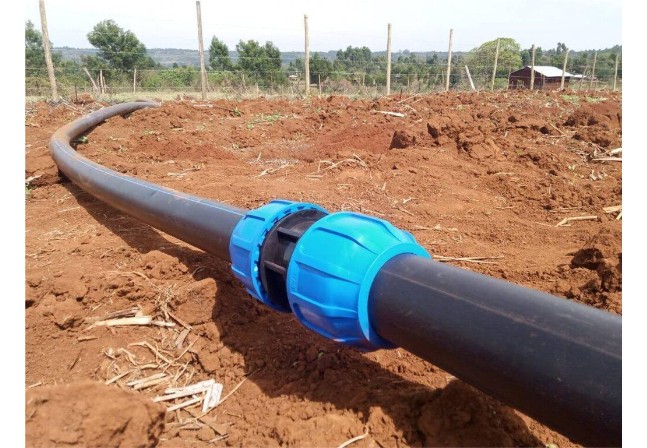
HDPE pipes are available in a wide range of outside diameters to meet different flow requirements.
Common sizes include:
Larger diameters are also available according to project requirements.
SDR stands for Standard Dimension Ratio.
It is calculated as:
SDR = Outside Diameter ÷ Wall Thickness
The SDR value determines how thick the pipe wall is relative to its diameter.
Common SDR values include:
✔SDR26
✔SDR21
✔SDR17
✔SDR13.6
✔SDR11
Lower SDR numbers mean:
✔Thicker pipe walls
✔Higher pressure resistance
✔Greater mechanical strength
Higher SDR numbers mean:
Thinner walls
Lower pressure capability
Lower material cost
Selecting the correct SDR is essential for ensuring safety and long-term reliability.
Several factors should be considered when selecting HDPE pipe diameter:
Higher flow demand requires larger pipe diameters.
Long pipelines should minimize pressure loss by selecting an appropriate diameter.
The pipe size should match the system’s pump performance.
Selecting a slightly larger pipe can accommodate future capacity increases.
Before purchasing HDPE pipes, evaluate:
✔Maximum operating pressure
✔Water hammer conditions
✔Elevation changes
✔Soil load
✔Pipe installation depth
✔Safety factors
✔Local design standards
Choosing the correct pressure class improves pipeline reliability and reduces maintenance costs.
Compared with PE80, PE100 offers:
✔Higher strength
✔Better pressure resistance
✔Longer service life
✔Reduced wall thickness at the same pressure rating
✔Lower transportation costs
✔Improved hydraulic performance
For most modern water supply systems, PE100 is the recommended material.
Suitable for:
✔Residential plumbing
✔Garden irrigation
✔Small agricultural systems
Commonly used in:
✔Commercial buildings
✔Community water supply
✔Industrial facilities
Ideal for:
✔Municipal water transmission
✔Water treatment plants
✔Mining projects
✔Large infrastructure construction
HDPE pipes offer several advantages over traditional piping materials:
✔Excellent corrosion resistance
✔Leak-free fusion joints
✔Lightweight construction
✔High impact resistance
✔Flexibility for difficult terrain
✔Low maintenance costs
✔Long service life exceeding 50 years
✔Safe for drinking water applications
✔Excellent chemical resistance
These features make HDPE one of the most reliable piping materials available today.

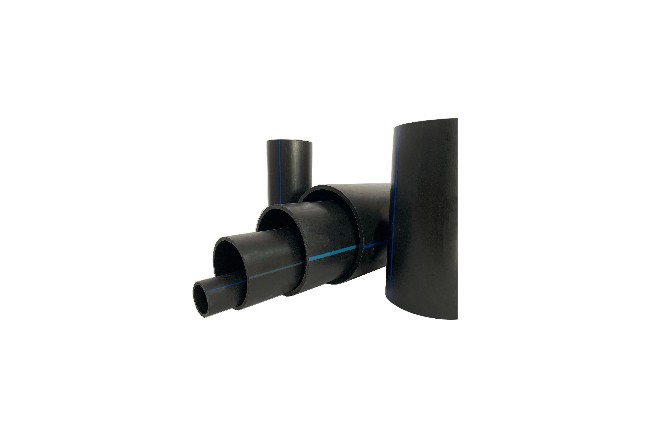
For municipal water supply, 110 mm, 160 mm, 200 mm, and 315 mm are among the most commonly used sizes. Residential and irrigation systems often use 20–63 mm pipes.
The correct pressure class depends on your operating pressure, system design, and safety requirements. PN10 and PN16 are widely used for water supply projects.
SDR11 indicates a relatively thick wall compared with the outside diameter, allowing the pipe to withstand higher working pressures than higher SDR values.
PE100 provides higher strength and better pressure performance, making it the preferred choice for modern municipal and industrial pipeline systems.
Understanding HDPE pipe sizes, SDR values, and pressure ratings is essential for designing a reliable and efficient pipeline system. Choosing the correct combination of diameter, pressure class, and material grade helps ensure long service life, lower maintenance costs, and optimal hydraulic performance.
Whether your project involves municipal water supply, industrial fluid transport, agricultural irrigation, or infrastructure development, selecting high-quality PE100 HDPE pipes manufactured to international standards is a smart long-term investment.
As a professional manufacturer and exporter of HDPE pipes, we supply a complete range of PE100 water supply pipes in various sizes, SDR classes, and pressure ratings. Our experienced team can help you select the right solution for your project and provide customized products for international markets.
Contact us today for technical support, product catalogs, or a free quotation.

