HDPE pipes are widely used in municipal water supply, agricultural irrigation, mining, dredging, industrial water transportation, and infrastructure projects. Their corrosion resistance, flexibility, impact resistance, and long service life make them suitable for many demanding pipeline applications.
But where should you buy HDPE pipe?
For a small project, purchasing from a local distributor may be convenient. For large engineering projects, contractors and procurement teams may prefer to work directly with an experienced HDPE pipe manufacturer or exporter.
The key is not simply finding the lowest price. Buyers should compare pipe specifications, material grade, pressure rating, applicable standards, quality control, production capacity, delivery capability, and technical support before placing an order.
This guide explains what to consider when choosing an HDPE pipe supplier and how to request an accurate quotation.
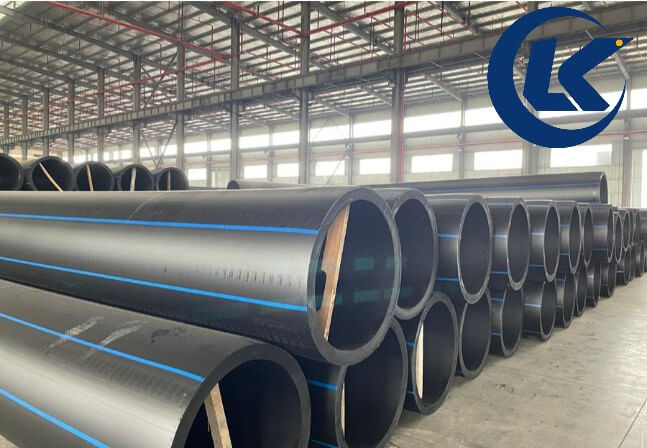
There are several common ways to purchase HDPE pipe.
Direct purchasing is often suitable for:
Large infrastructure projects
Municipal water supply
Irrigation projects
Mining pipelines
Industrial pipelines
Wholesale orders
Customized pipe requirements
Working directly with a manufacturer can provide easier communication regarding pipe specifications, production, inspection, packaging, and delivery.
It may also be more suitable when the project requires large quantities or customized specifications.
Local distributors can be convenient when you need:
Small quantities
Fast local delivery
Standard pipe sizes
Local technical support
Replacement materials
However, distributors may have a more limited product range or may add additional supply-chain costs.
For large international orders, it is worth comparing distributor pricing with direct manufacturer quotations.
For international projects, an HDPE pipe exporter can help coordinate:
Product sourcing
Technical specifications
Packaging
Container loading
Shipping
Export documentation
When buying internationally, confirm whether the supplier is able to provide the documents and logistics support required for your destination country.
Choosing an HDPE pipe should start with the technical requirements of your project.
Common HDPE pressure-pipe materials include PE80 and PE100.
For pressure water supply and infrastructure applications, PE100 is widely used because of its long-term strength characteristics.
The material should be selected according to the applicable standard and project requirements.
Confirm the required outside diameter before requesting a quotation.
Common HDPE pipe sizes vary from small-diameter distribution pipes to very large pipes used for municipal, mining, dredging, and industrial projects.
For large projects, provide a complete size list rather than requesting a quotation for only one pipe size.
SDR is an important parameter when purchasing HDPE pressure pipe.
The relationship between pipe diameter and wall thickness affects the pressure performance of the pipe.
When requesting a quotation, specify the required:
Diameter
SDR
Pressure rating
Material grade
This helps suppliers provide comparable quotations.
Different markets and projects may require different standards.
Depending on the application and destination, buyers may need to consider standards such as:
ISO
EN
ASTM
AS/NZS
SANS
Other applicable national or project standards
Always confirm the required standard before placing an order.
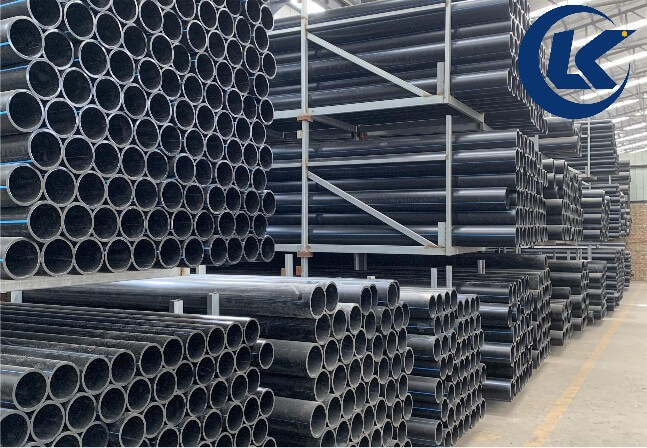
Price is important, but it should not be the only factor.
A professional HDPE pipe manufacturer should have suitable production equipment and quality-control procedures.
Ask about:
Production lines
Pipe diameter range
Material grades
Pressure classes
Production capacity
Factory inspection
Testing equipment
If your project requires large-diameter HDPE pipe, confirm that the manufacturer has actual experience producing those sizes.
Before purchasing, ask for relevant technical documents such as:
Product datasheets
Material information
Inspection reports
Quality certificates
Dimensional specifications
Applicable standards
For large engineering projects, you can also request samples or arrange third-party inspection when appropriate.
Two HDPE pipes with the same nominal diameter may have significantly different prices because of differences in:
Material grade
SDR
Pressure rating
Applicable standard
Pipe length
Order quantity
Packaging
Delivery terms
Therefore, compare quotations based on the same technical specification.
A lower price is not necessarily a lower total project cost if the specifications, quality, or delivery conditions are different.
Production capacity becomes particularly important for large projects.
Before ordering, confirm:
Current production schedule
Estimated lead time
Monthly production capacity
Raw material availability
Large-order experience
Packaging capacity
This helps reduce the risk of delivery delays.
HDPE pipe selection can involve many technical parameters.
A suitable supplier should be able to help confirm:
Diameter
SDR
Pressure rating
Material grade
Pipe standard
Pipe connection method
Fitting compatibility
Packaging requirements
Technical support can be particularly important for projects involving large-diameter pipes or customized specifications.
The more complete your project information is, the more accurate the quotation will be.
Before contacting an HDPE pipe manufacturer, prepare the following information:
Pipe application
Pipe diameter
Pipe length
SDR
Pressure rating
Material grade
Required standard
Quantity
Destination country
Delivery location
Required delivery date
Connection method
Operating temperature
Transported medium
For customized projects, provide drawings or a detailed specification sheet whenever possible.
If you are purchasing HDPE pipe for a water supply project, the supplier should be able to provide specifications suitable for the required operating pressure and applicable water-pipe standard.
HDPE water pipes are commonly used for:
Municipal water supply
Rural water supply
Drinking water systems
Irrigation
Industrial water transportation
Pipeline rehabilitation
When requesting a quotation, clearly state whether the pipe is intended for potable water, irrigation water, industrial water, or another application.
This helps the manufacturer recommend the appropriate product specification.
HDPE irrigation pipes are used in agricultural irrigation, greenhouse irrigation, water distribution, and other agricultural applications.
When purchasing irrigation pipe, consider:
Required flow rate
Pipe diameter
Operating pressure
Pipe length
SDR
Connection method
Installation environment
For large irrigation projects, it is usually more efficient to purchase the pipe and compatible fittings as a complete system.
Large-diameter HDPE pipes are commonly used in:
Municipal infrastructure
Mining
Dredging
Industrial water transportation
Large irrigation projects
Marine and offshore applications
When purchasing large-diameter pipe, pay particular attention to:
Manufacturing capability
Pipe wall thickness
Production equipment
Dimensional control
Transportation
Packaging
Loading method
Fusion compatibility
Large-diameter projects may also require customized fittings such as elbows, tees, reducers, flanges, and end connections.
For large-volume orders, direct factory purchasing can offer several practical advantages.
You can communicate directly with the production team about:
Specifications
Quantity
Production schedule
Customization
Inspection
Packaging
Shipping
It may also simplify communication when the project requires customized dimensions or large quantities.
However, buyers should evaluate the manufacturer’s actual production and quality capabilities rather than choosing a supplier simply because it claims to be a factory.
Before placing an order, compare suppliers using the same technical requirements.
| Factor | What to Check |
|---|---|
| Material | PE80 / PE100 |
| Diameter | Required outside diameter |
| SDR | Required wall-thickness ratio |
| Pressure | Design pressure / pressure class |
| Standard | ISO, EN, ASTM, AS/NZS, etc. |
| Quantity | Total project requirement |
| Production | Capacity and lead time |
| Quality | Testing and inspection |
| Packaging | Export packaging requirements |
| Delivery | Shipping terms and destination |
| Support | Technical and after-sales support |
This makes supplier quotations easier to compare and reduces the risk of comparing different products as if they were identical.
Henan Lukuang Industry Co., Ltd. provides HDPE pipe solutions for international water supply, irrigation, mining, industrial, and infrastructure projects.
Our HDPE product range can cover different pipe diameters, pressure requirements, SDR configurations, lengths, and application requirements.
We can also provide compatible HDPE fittings for complete pipeline systems, including:
HDPE elbows
HDPE tees
HDPE reducers
HDPE flanges
HDPE stub ends
HDPE end caps
Electrofusion fittings
For project inquiries, customers can provide the required diameter, SDR, pressure rating, material grade, quantity, applicable standard, and delivery destination.
For customized requirements, technical drawings or project specifications are recommended.
Looking for an HDPE pipe supplier for your next project? Contact Henan Lukuang Industry Co., Ltd. to discuss your requirements and request a quotation.
The best place to buy HDPE pipe depends on your project size, technical requirements, quantity, location, and delivery schedule.
For small local requirements, a distributor may provide convenient access and fast delivery. For large international engineering projects, working directly with an experienced HDPE pipe manufacturer can simplify technical communication, production coordination, inspection, and export logistics.
Before purchasing, compare material grade, diameter, SDR, pressure rating, standards, quality control, production capacity, delivery conditions, and technical support rather than comparing price alone.
By providing complete project information to the supplier, you can receive a more accurate quotation and reduce the risk of purchasing pipe that does not match your application.
Henan Lukuang Industry Co., Ltd. supplies HDPE pipes and fittings for water supply, irrigation, mining, industrial, and infrastructure projects worldwide.
You can purchase HDPE pipe from local distributors, specialized suppliers, exporters, or directly from HDPE pipe manufacturers. The most suitable option depends on your quantity, location, specifications, and project requirements.
For large-volume or customized projects, direct manufacturer purchasing can simplify communication regarding specifications, production, inspection, packaging, and delivery.
At minimum, provide pipe diameter, SDR, pressure rating, material grade, applicable standard, quantity, application, and delivery destination.
PE80 and PE100 are different polyethylene material classifications. The appropriate material should be selected according to pressure requirements, application, applicable standards, and project conditions.
Compare quotations using the same diameter, SDR, material grade, pressure rating, standard, quantity, delivery terms, and other specifications. Comparing unit price alone can be misleading.
Yes. Depending on the manufacturer, HDPE pipes may be available in different diameters, lengths, pressure classes, SDR configurations, and other project-specific requirements.
Yes. Purchasing compatible pipes and fittings from the same manufacturer or supplier can simplify specification confirmation and procurement for complete pipeline projects.
HDPE pipes are commonly used for water supply, irrigation, mining, dredging, industrial water transportation, wastewater, and various infrastructure applications.

